Several months ago, Toyota invited a select group of journalists to its U.S. headquarters in Plano, Texas, for a confidential preview. What they revealed at the time was presented as something not to be discussed publicly. Fast forward to today, and that once-secret project is now official: the 2027 Toyota Highlander has returned — this time as a fully electric SUV.
And notably, Toyota is not adding “EV” or “Electric” to its name. It’s simply the Highlander. The company describes it as a fresh interpretation of the Highlander concept rather than a separate electric spin-off. In other words, this model represents the fifth-generation Highlander in its entirety, not an alternative version.
 2026 Chevelle Revealed: Bold Design, V8 Power, Modern Tech, Muscle Car Comeback, Premium Comfort
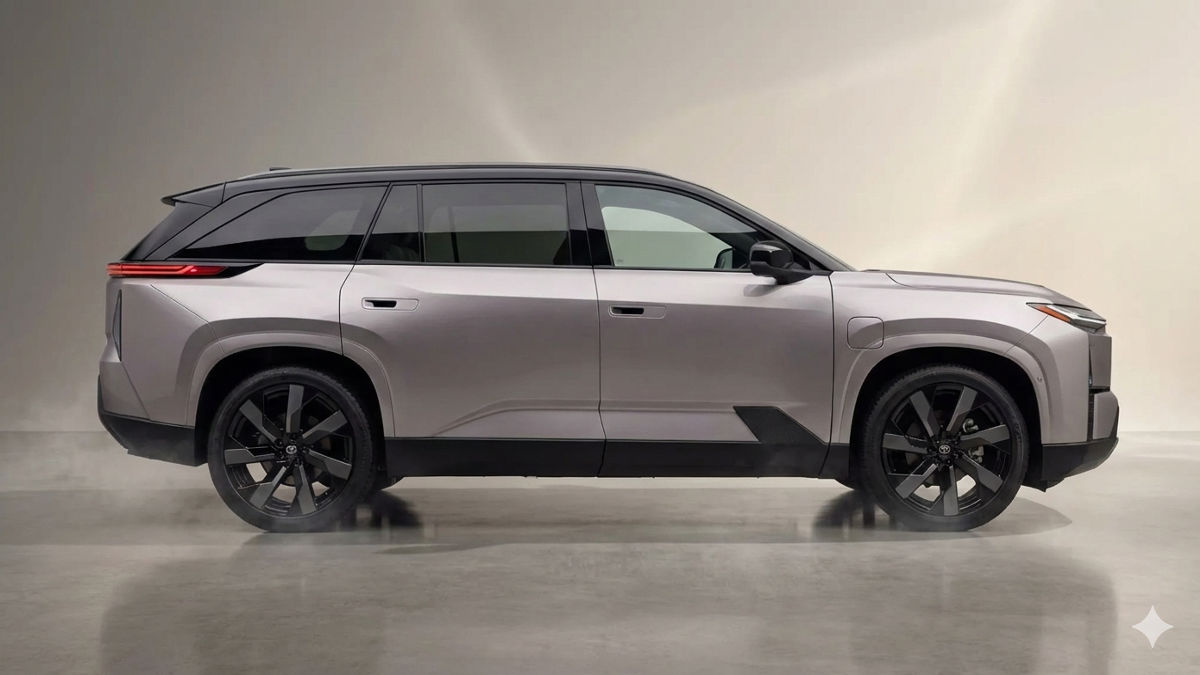
A Redesigned Highlander for the Electric Era
According to Chief Designer Masayuki Yamada, the goal was to preserve the strong SUV stance Highlander is known for while integrating the refinement and advanced technology expected from an all-electric vehicle.
Toyota aimed to strike a careful balance between aerodynamic efficiency, cabin roominess, and everyday capability. The result is an SUV designed to feel equally at home navigating city streets or heading out for weekend adventures.
Like its predecessor, the new Highlander retains three rows of seating. However, it now rides on a 120-inch wheelbase — longer than even the Grand Highlander. Overall length measures 198.8 inches, placing it close to its larger sibling in exterior dimensions. Despite the expanded footprint, cargo capacity aligns more closely with the standard gasoline Highlander, largely due to battery packaging requirements.
Battery Options and Estimated Driving Range
Toyota is offering two battery configurations for the 2027 Highlander.
The standard XLE trim features a 77-kilowatt-hour battery pack, delivering an estimated 287 miles of driving range. Choosing all-wheel drive does not change battery capacity, but range decreases by approximately 17 miles.
For buyers seeking extended range, a larger 95.8-kWh battery is available on both the XLE AWD and Limited AWD trims. With this setup, Toyota estimates a maximum range of 320 miles.
While complete DC fast-charging specifications have not yet been disclosed, Toyota confirmed that the Highlander will include a native NACS charging port. It will also come equipped with a dual-voltage Level 1/Level 2 charging cable. The onboard AC charging system supports Level 2 charging speeds of up to 11 kW.
Interior Technology and Features
Inside, the Highlander maintains a practical and familiar layout while integrating modern digital upgrades.

A 12.3-inch digital instrument cluster comes standard, paired with a 14-inch infotainment display. Wireless device charging is included, along with heated front seats and a heated steering wheel on the XLE trim. Access to the third row is simplified with one-touch folding second-row seats.
Higher trims add premium touches, including advanced driver assistance features, an 11-speaker JBL sound system, available 22-inch wheels, and optional two-tone exterior finishes. Buyers can also choose between second-row captain’s chairs or a traditional bench seat configuration on the XLE.
What Happens to the Gas-Powered Highlander?
Toyota continues to sell gasoline versions of the Highlander, but market trends show the larger Grand Highlander gaining momentum with stronger sales and higher transaction prices. Since Toyota already offers hybrid options in the Grand Highlander lineup, transitioning the standard Highlander to an all-electric platform reduces overlap within the brand’s SUV portfolio.
Some customers may opt for other midsize SUVs rather than move up to the Grand Highlander, but Toyota is expected to recapture part of that volume through EV adoption — even if it falls short of early projections.
Platform Flexibility Provides Strategic Backup
The new Highlander is built on Toyota’s TNGA-K platform, giving the automaker production flexibility. If demand for the electric Highlander does not meet expectations, Toyota can adjust manufacturing capacity across other vehicles that share the same architecture.
While reallocating production is never instantaneous due to supply chain complexities, this shared-platform strategy provides a level of operational adaptability.
Production Timeline and Pricing Outlook
Official pricing has not yet been announced. However, Toyota confirmed that production will take place in Kentucky. Although federal EV tax credits originally factored into its development may no longer apply, domestic manufacturing should help reduce exposure to potential tariffs.
Production is scheduled to begin later this year, with customer deliveries expected in late 2026 or early 2027. Pricing details will be released once Toyota finalizes its production plans.

Faraz Shah Skills ✔ Verified
Faraz Shah Skills is a technology educator and content writer. He shares authentic, detailed insights on news, guides, and trends to help readers make informed decisions with clear and trustworthy information.